“Unusual movie” was what I heard from a fellow audience member at the end of the credits of Last Night in Soho, the latest film from Edgar Wright.
I responded something to the likes of “True, but that does not make it bad.”
“Unusual movie” was what I heard from a fellow audience member at the end of the credits of Last Night in Soho, the latest film from Edgar Wright.
I responded something to the likes of “True, but that does not make it bad.”
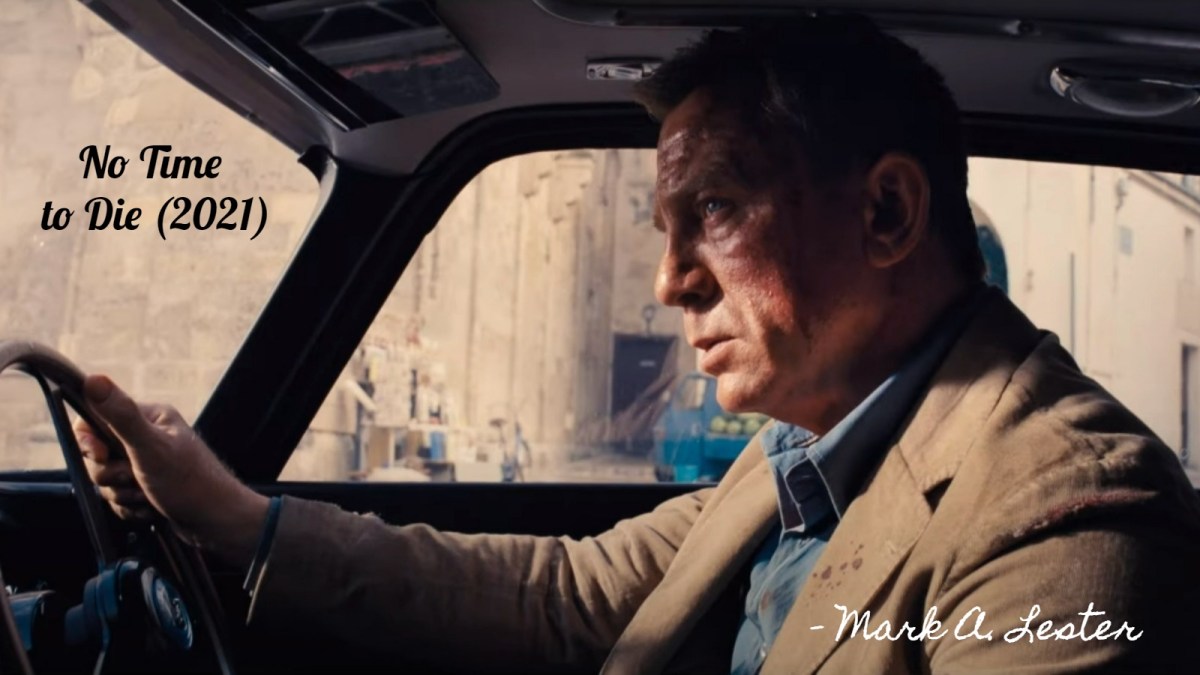
There was a lot to try to digest while walking into No Time to Die, despite having an extra amount of time to prepare for the film (it was one of the first to delay its release at the beginning of the COVID pandemic). It would be the end of the Daniel Craig era, the only actor who truly could threaten Connery as the best Bond (as of this writing, I have seen just under half of the films in the franchise).
Well, by the end of the 2 ½ plus hour film (the longest 007 film to date), there was even more to digest.
It seems worth mentioning that anyone’s opinion of a biopic will definitely depend a lot on how well that person knows the source material. The more one knows, the higher the expectations.
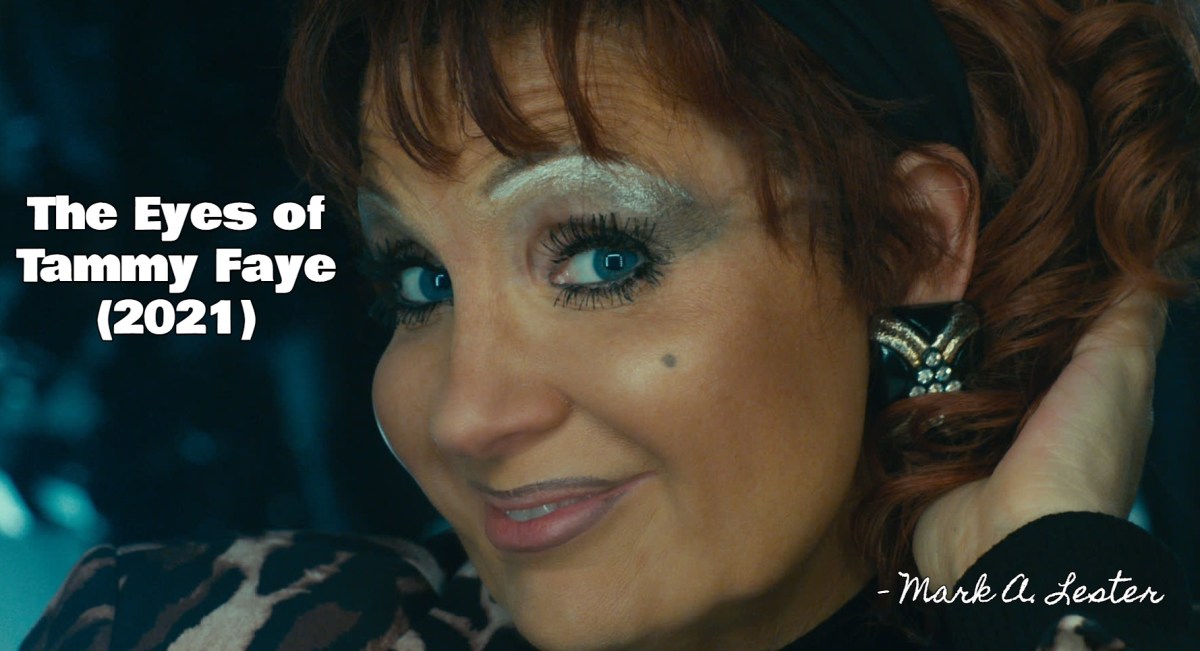
To put it candidly, I knew virtually nothing of Tammy Faye Baker, other that she, along with her husband, was one of the more popular televangelists of the 1970s and 1980s (just before my time). At many points of The Eyes of Tammy Faye (based off of a documentary from 2000 of the same name), I realized they were the reason I would see other televangelists as a kid when I would be flipping through channels early Sunday mornings (paving the way for the likes of Joel Osteen).
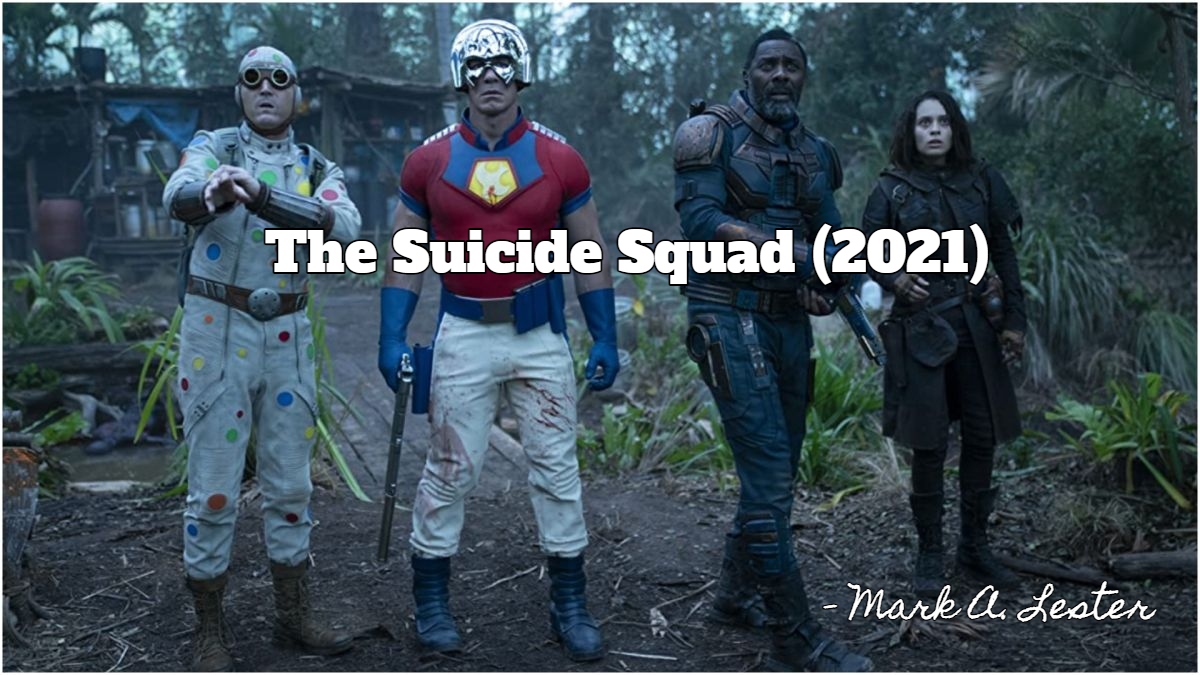
Even though it is the definite article used in all English language, I admit I did not think just adding “The” in a movie title could be a big improvement to a sequel.
Still, that change will help you remember which of the two Suicide Squad films is the superior one.
Some movie formulas are so much fun you can’t help but want to put yourselves in the character’s shoes.
If it were a body switch comedy (or any genre), you wonder, “Who would I want to switch bodies with?”. If it were a fish out of water plot, where would you as the (hypothetical) fish wish to be? And, if you were stuck in the same day on a constant loop (most notably done in the classic film Groundhog Day), what would you do?
Dear Link,
From all the stories and photos you mom put on social media, it did not take me long to realize you and your younger brother Lenny had a blast during your first ever trip to Disney World.
This, of course, has been a bit of a family tradition going back long before you were even born. It’s been nearly two decades since I was last there: Pirates of the Caribbean was not even a movie yet. It was also brought to my attention that, before you guys left, you and Lenny watched most of the Disney classics to prepare you. Take it from me, that is a lot of movies for two brothers who are only five and four!
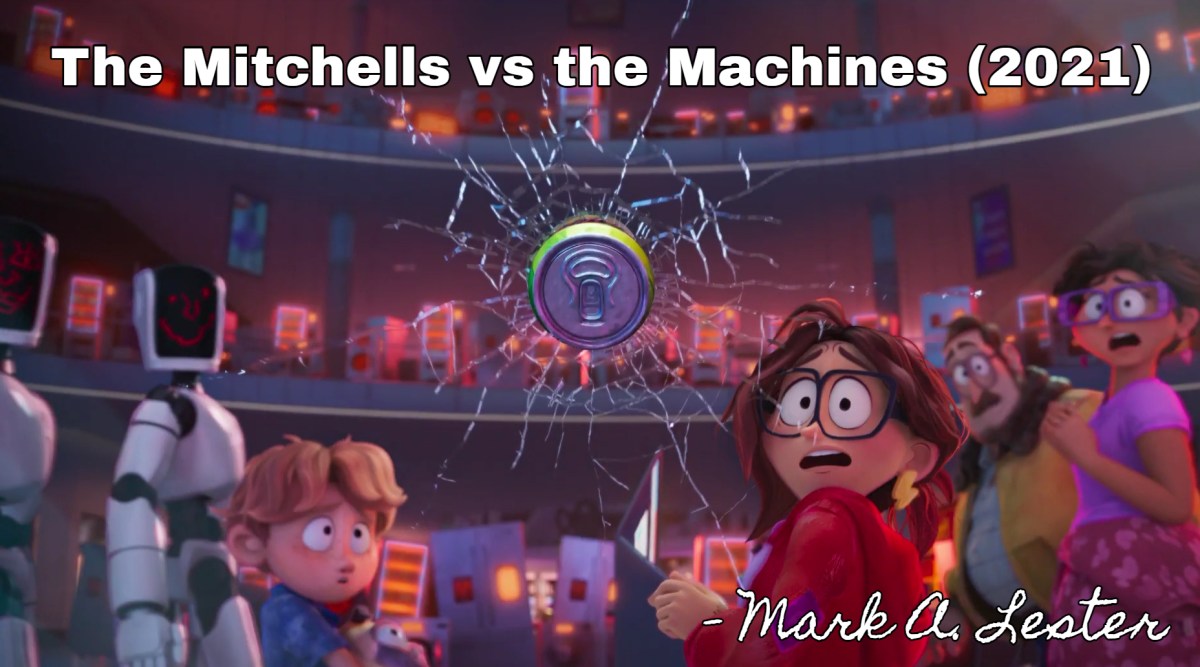
This time of year, we normally get some original Netflix films that are not worth mentioning (such as the atrocity that is Thunder Force, a movie I detested so much I keep forgetting it is not called Thunder Rush). That irrelevant film took the superhero premise and made a family film that was not fun for anyone in the family. Thankfully, that film will be forgotten once families discover a film that was made for any member of the family: The Mitchells vs the Machines.
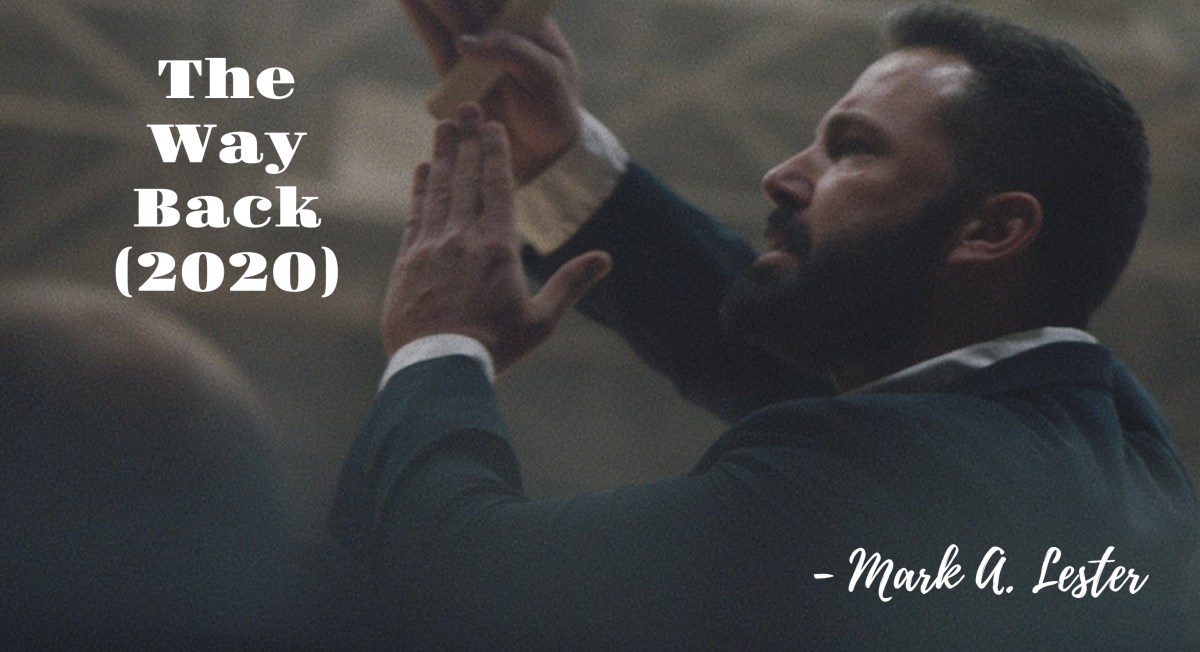
To describe the career of Ben Affleck as “varied” would almost be an understatement.
After making it in the spotlight by winning the Oscar for Best Original Screenplay (with his good friend Matt Damon) for 1997’s Good Will Hunting, he stretched into the “Razzie” territory with films like 1998’s Armageddon (which Affleck has comically given his own thoughts on), Pearl Harbor (2001), and 2003’s mega dud Gigli.
Since the mid-2010s, “binge watching” has become a thing of human nature.
TV series and mini-series have been gulped up faster than pizza at a teen sleep over, which has happened even more so in the last year with people spending more time at home due to COVID-19. While most binging seems to be associated with TV series (most notably reruns of “The Office”), some series undoubtedly have taken a more cinematic approach (this was what started with “The Sopranos” and one of the main reasons why it was so revolutionary.) While I have more than enough TV/mini series I have yet to catch up on (since I watch too many movies), I have yet to see the line get more blurred between mini-series and movies as I have after watching the five “episodes” of Small Axe.
Pulling off a directorial debut is something I imagine is far from easy for most people.
You need a cast and crew that not only trusts you, but is also talented in their line of work. True, actors who turn directors more than likely pick up some tricks from others they have worked for in the past, though the great teacher known as experience is something yet to be obtained. Perhaps most important, the story they want to tell has to be not only possible to film, but personal to them.