Note: If you have not seen the original film, I forbid you to read any further until you have seen it. It is on HULU. Get a free trial. Do whatever you have to. I will wait.
…
…
Seriously, go see it.
…
Okay, you are back. Now for the review.
Note: If you have not seen the original film, I forbid you to read any further until you have seen it. It is on HULU. Get a free trial. Do whatever you have to. I will wait.
…
…
Seriously, go see it.
…
Okay, you are back. Now for the review.
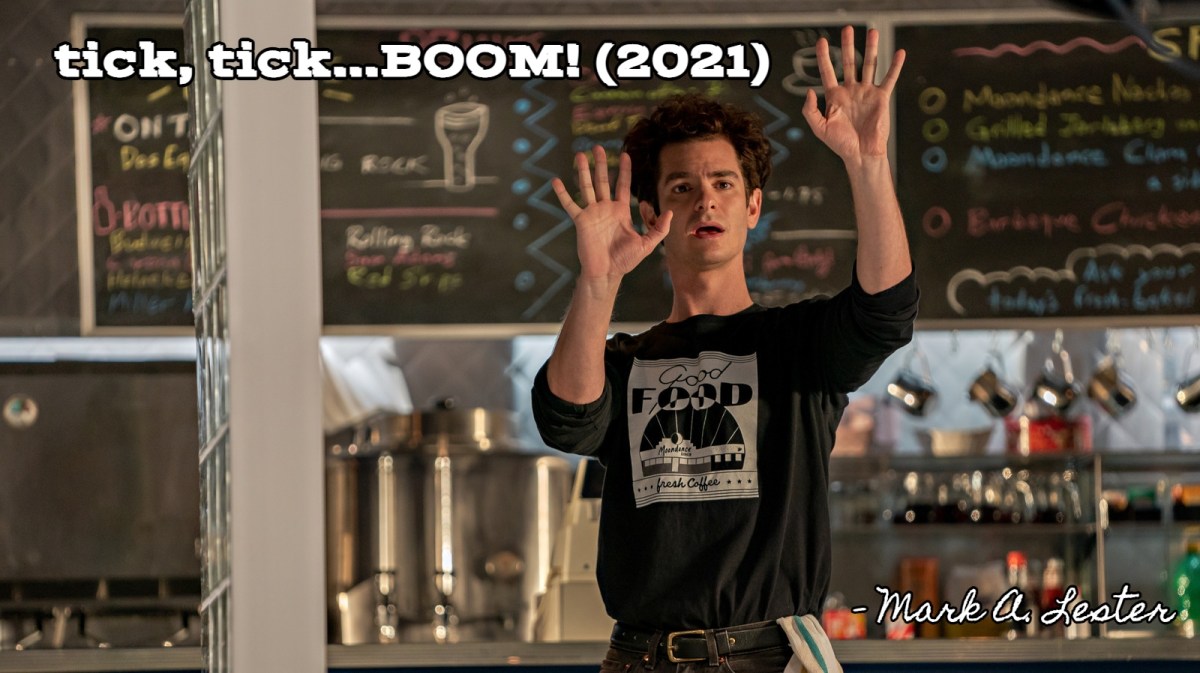
After seeing tick, tick,…BOOM!, you may be wanting to ask me a simple question.
I have the answer: No, I had no idea that Andrew Garfield was able to sing.
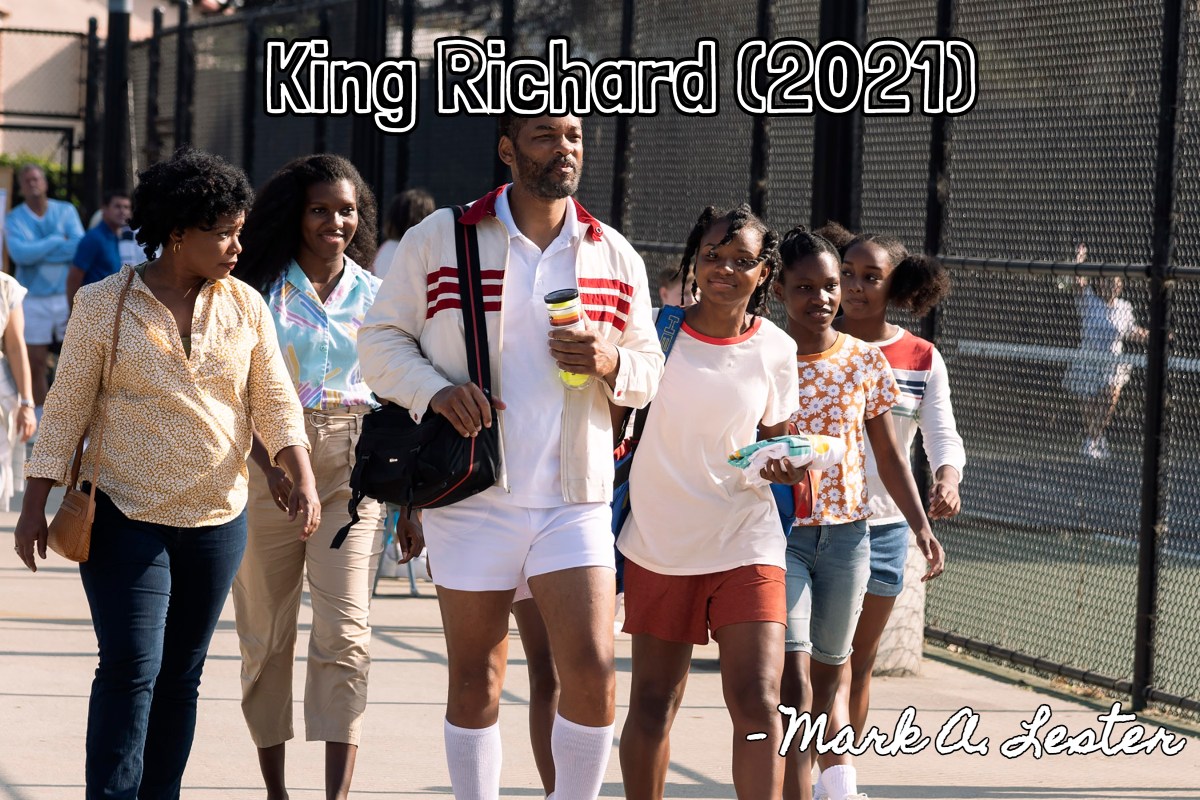
A month or so ago, a question was asked on one of the (far too many) groups I am a part of on facebook: What is Will Smith’s best performance (or what was his best movie, I can’t remember which). My answer was simple: We need to wait until King Richard comes out.
In short, it is a good thing I did wait, because this is easily his best performance since The Pursuit of Happyness (2006).
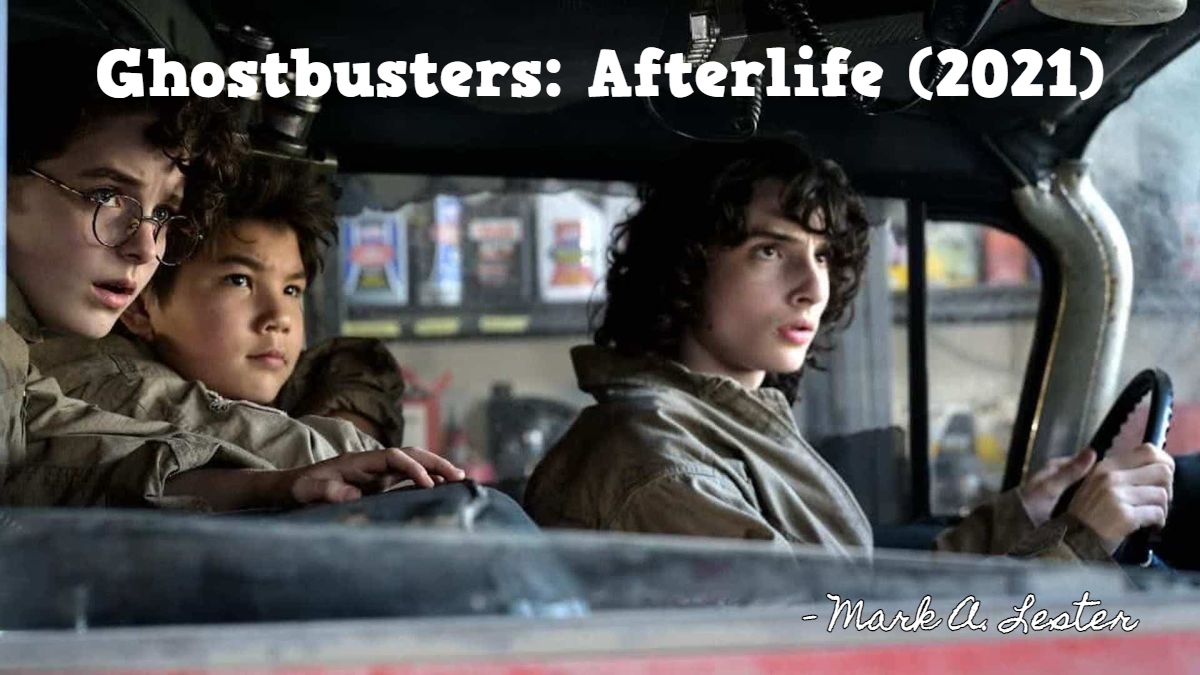
Being born in the late 80s, the only real chance I had at watching a Ghostbusters film was the female remake back in 2016. Since I missed out on that one, Ghostbusters: Afterlife ended up being the first of the franchise that I’ve seen on the big screen.
Another reality set in as I was watching the franchise’s latest entry: we may be in a world now where audiences care more for fan service than plot. That is not to say the story of this film is not intriguing or confusing, but that telling a story is taking a back seat to fan service.
Up until about 15 minutes into Belfast, it never occurred to me that memories were able to be in black and white. I’m not talking about those shown in fiction, but my own personal memories.
That director Kenneth Brannagh’s movie had me thinking like this speaks to it’s power as what will surely be an Oscar front runner in the next few months.
I was as shocked as the next person when it was announced that Eternals had a low score on Rotten Tomatoes (as of this writing, the critic score is 49%.) This still did not deter me, as I had a good amount of hope knowing that Chloe Zhao was at the helm (more on her later).
When it was over, I left the theater knowing I was on the fence for this film as much as I have been for any film in some time.
Much thanks must be given to the little voice in my head.
When buying my ticket for Dune, the voice told me to try and buy a seat as close to the screen as possible. While my neck did not start truly hurting until the last forty minutes or so of the film, the voice was correct, as the experience gave me small vibes dating back to when I watched the original Star Wars Trilogy re-released in the mid-90s when I was nine years old.
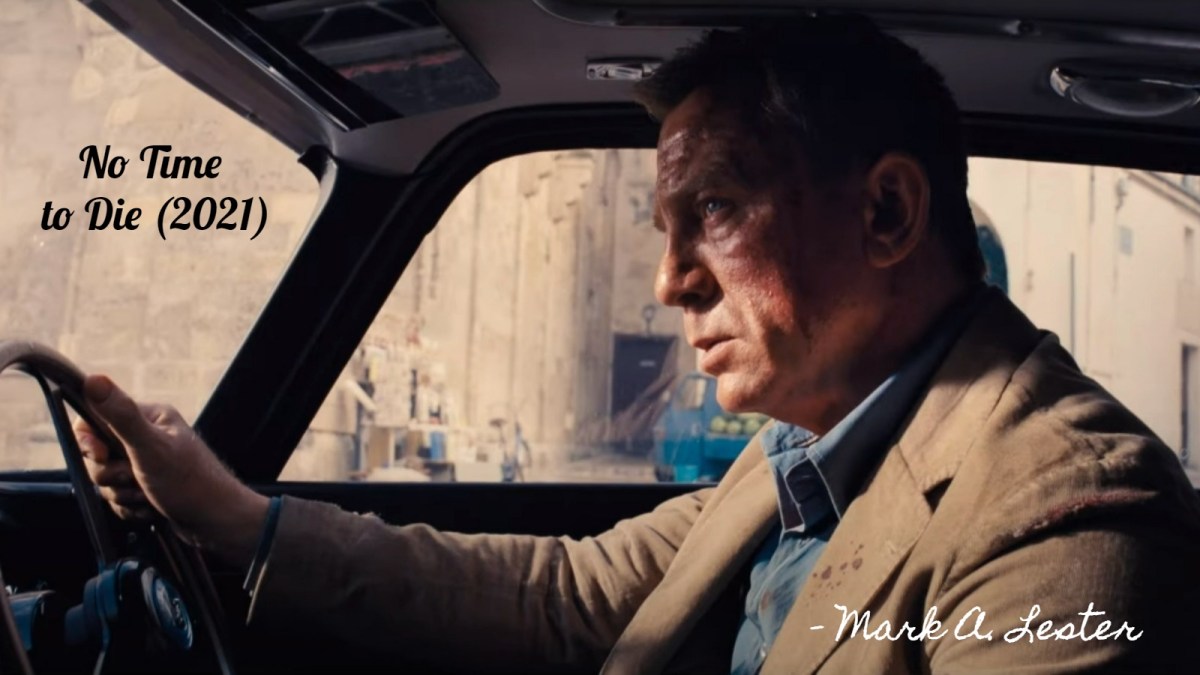
There was a lot to try to digest while walking into No Time to Die, despite having an extra amount of time to prepare for the film (it was one of the first to delay its release at the beginning of the COVID pandemic). It would be the end of the Daniel Craig era, the only actor who truly could threaten Connery as the best Bond (as of this writing, I have seen just under half of the films in the franchise).
Well, by the end of the 2 ½ plus hour film (the longest 007 film to date), there was even more to digest.
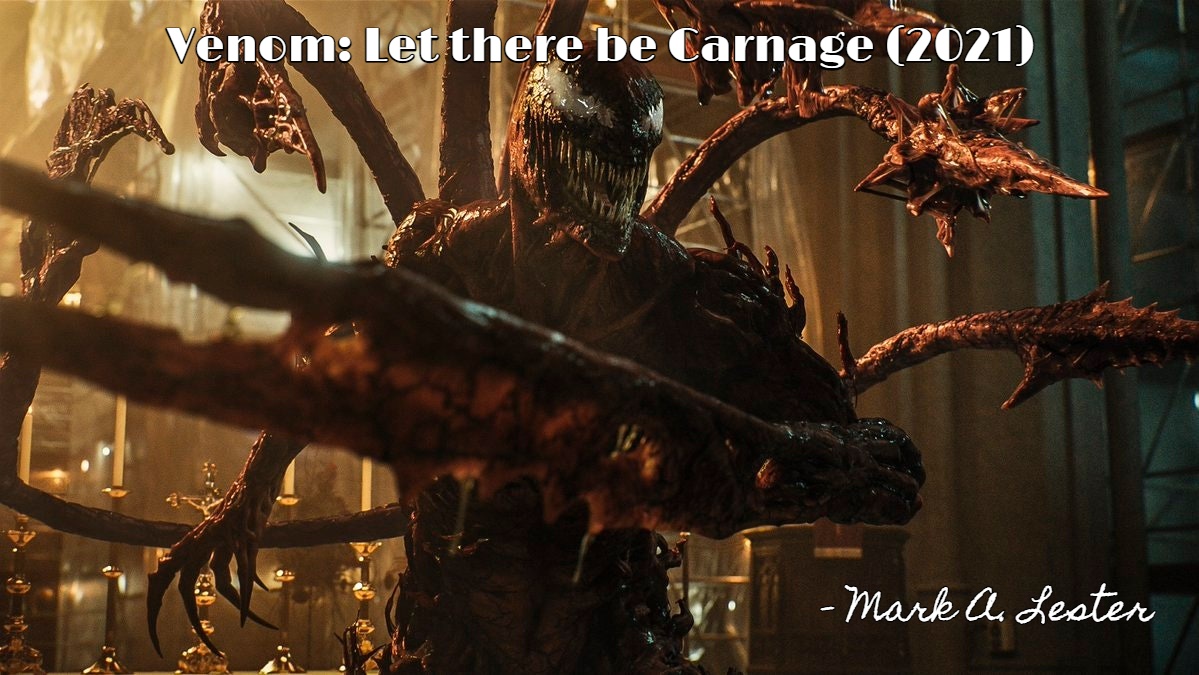
Despite my qualms I had with the first Venom film, I did have some high hopes with the upcoming sequel when I saw the first film’s post-credit scene.
While I have stated I am not an expert in comic book lore, I feel I know enough to know that Woody Harrelson would be the perfect actor to play the villainous Cletus Kasady/Carnage. Even with him added on to this universe, the result is still a basic run of the mill action packed CGI fest. It is a shame, since there are a decent amount of moments in Venom: Let there be Carnage that had me smiling almost like a symbiote invested entity would.
It seems worth mentioning that anyone’s opinion of a biopic will definitely depend a lot on how well that person knows the source material. The more one knows, the higher the expectations.
To put it candidly, I knew virtually nothing of Tammy Faye Baker, other that she, along with her husband, was one of the more popular televangelists of the 1970s and 1980s (just before my time). At many points of The Eyes of Tammy Faye (based off of a documentary from 2000 of the same name), I realized they were the reason I would see other televangelists as a kid when I would be flipping through channels early Sunday mornings (paving the way for the likes of Joel Osteen).