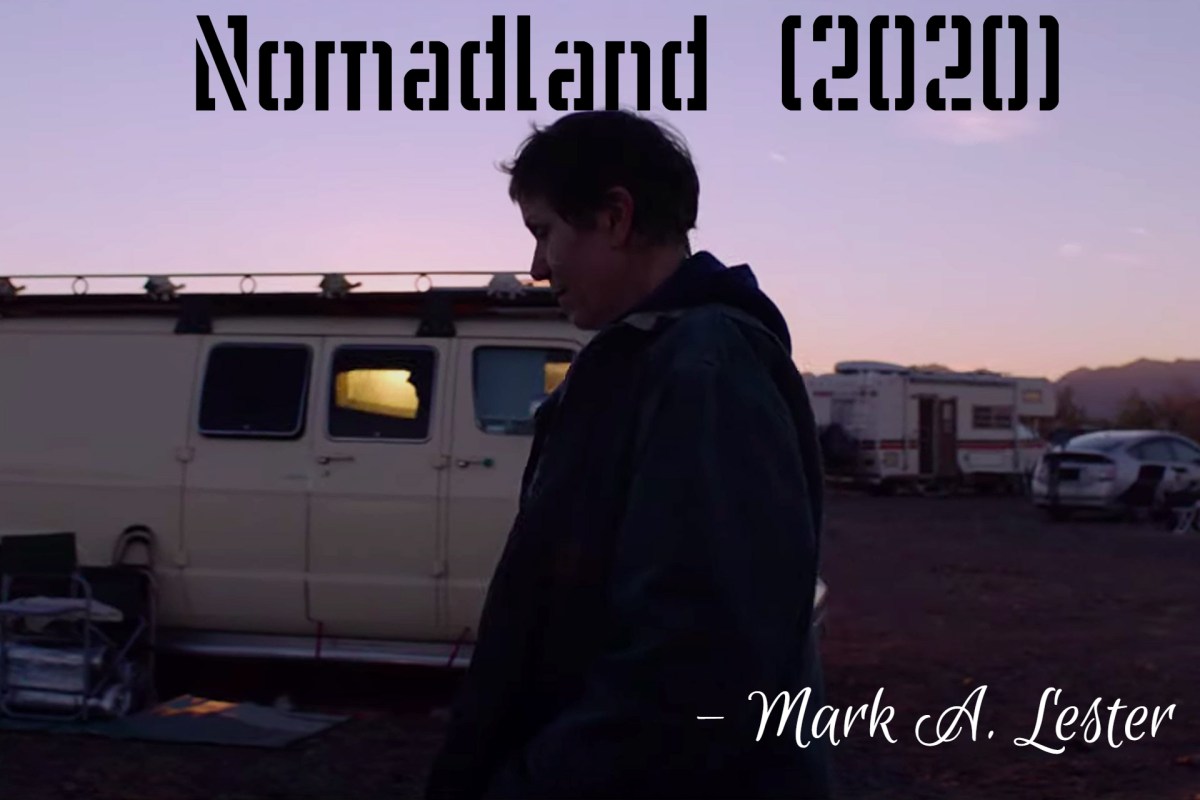
When it comes to name recognition, it seems like the third time is definitely the charm for director Chloe Zhao.
While I have yet to see her debut film (2015’s Songs My Brothers Taught Me), I did manage to see her second film, The Rider (2017), the story of a young cowboy recovering from a near fatal accident and needing to find a new path in life. It takes more than one movie or so to discover a director’s true voice, but Zhao certainly is going down the path of intimate film making (it also helps that her first two movies were written by Zhao), which is more than evident in her third feature Nomadland.
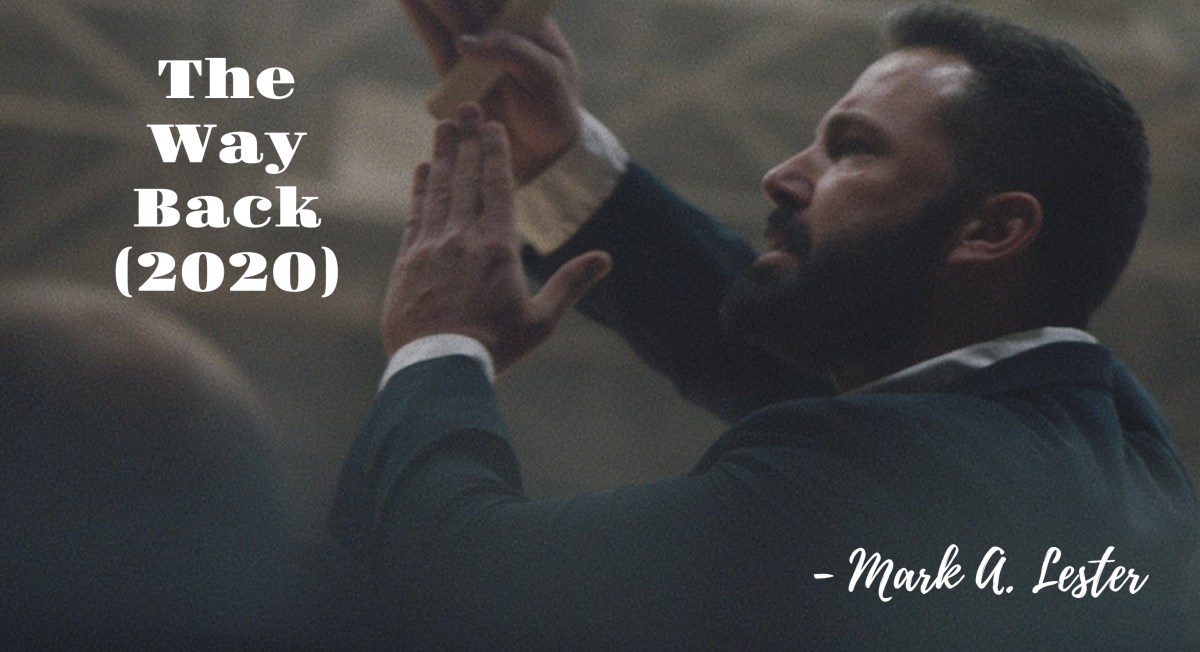
To describe the career of Ben Affleck as “varied” would almost be an understatement.
After making it in the spotlight by winning the Oscar for Best Original Screenplay (with his good friend Matt Damon) for 1997’s Good Will Hunting, he stretched into the “Razzie” territory with films like 1998’s Armageddon (which Affleck has comically given his own thoughts on), Pearl Harbor (2001), and 2003’s mega dud Gigli.
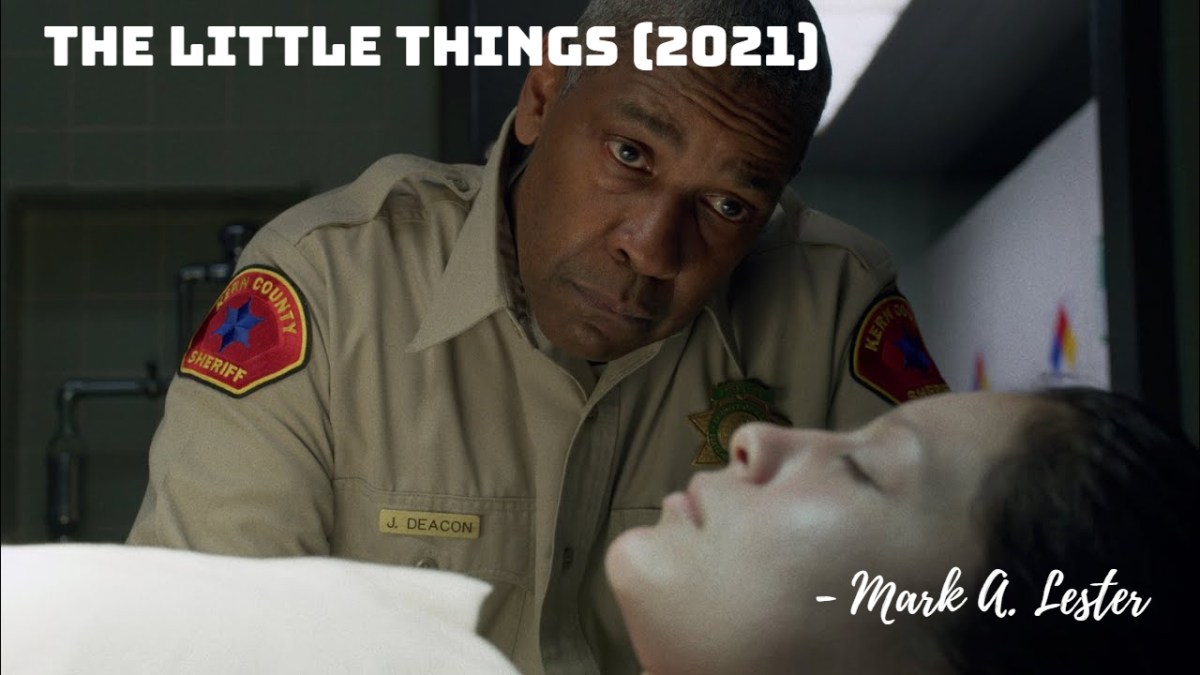
“It’s the little things that are important, Jimmy.”
Says the veteran cop to the hotshot rookie detective, and is something heard before in other films. Sadly, the reason The Little Things turns out very subpar and forgettable is, to be honest, the little things.
It has always been at the same street corner, across the street from the water tower and a few blocks from the local mini-golf course of my childhood. To this day, I have seen groups of five or so people with signs, protesting against abortion. It has been so common to me (it still happens to this day) that I find it odd when I don’t see anyone in lawn chairs at that spot.
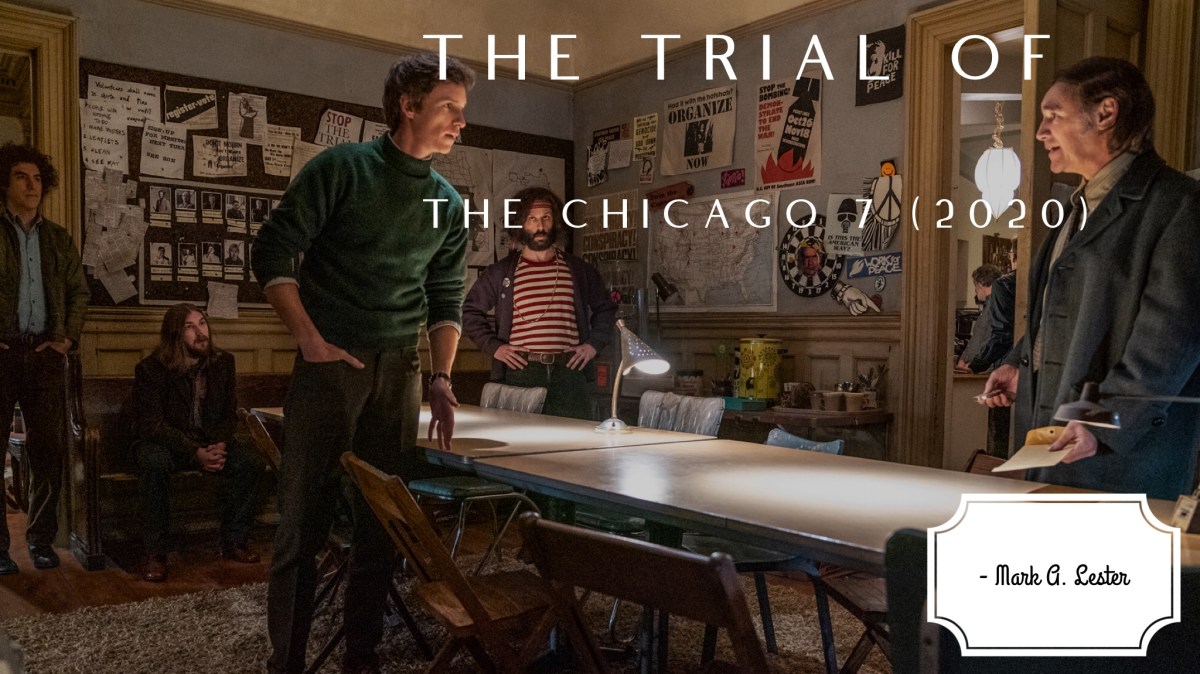
While I am not sure if that qualifies as a “peaceful protest” (I have never heard of any of them being arrested or anything), I was thinking of it a bit during The Trial of the Chicago 7 (streaming now on Netflix). It focuses on the true story of the men who were brought to trial after being charged with the intention of starting riots during the 1968 Democratic Convention in Chicago, even though the protests were meant to be peaceful in their opposition against the Vietnam War.
It was a spine tingling time as a 13 year old on a Tuesday in June of 2001.
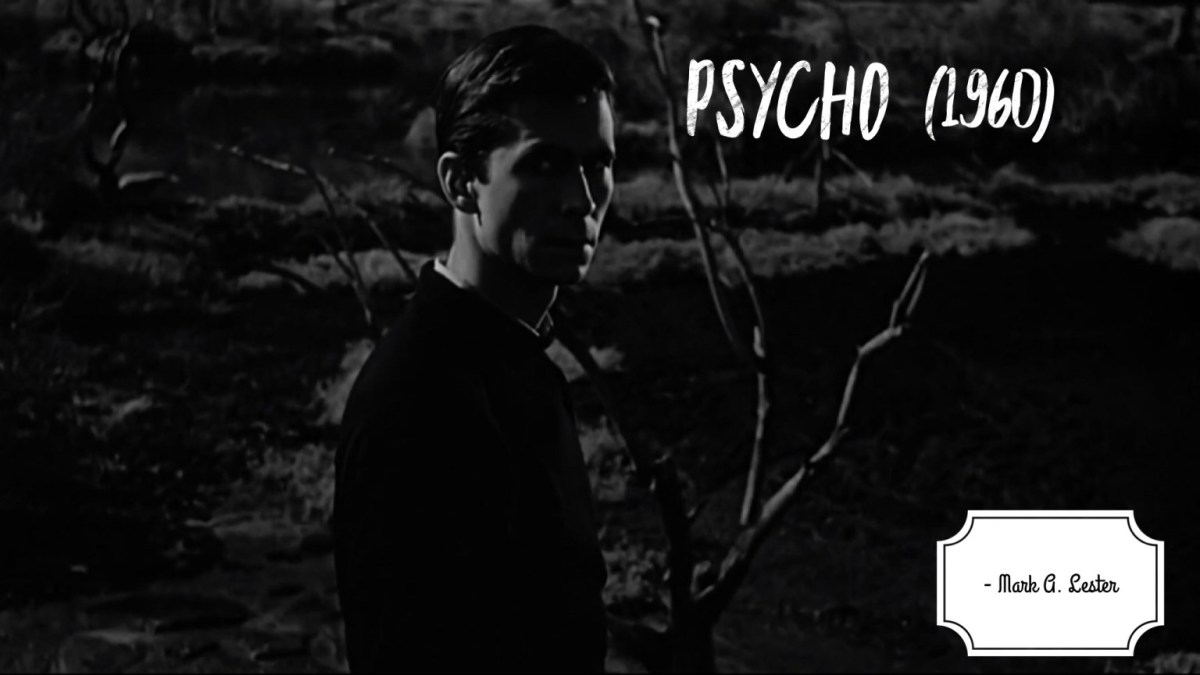
The American Film Institute was revealing their annual Top 100 list that they would do every year. That year’s was entitled 100 Years, 100 Thrills. As the countdown was concluding, I had made a $5 bet with my dad (the most I could afford at that time) over which would be number one. He was going with Jaws, while I was rooting for Psycho. By the end, Jaws was number 2, and I had won five dollars, bragging for some time afterwards.
Of the countless times that the Oscars have had a segment for montages (excluding the “In Memorium” ones), there was one they did that I wish they would bring back.
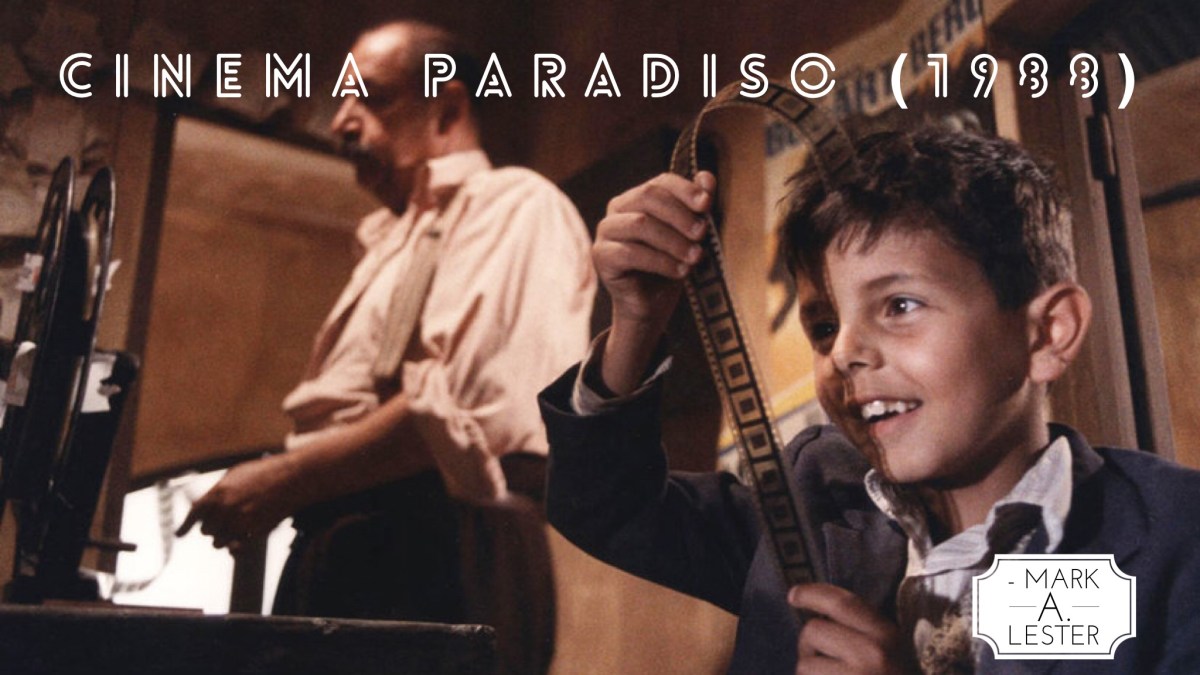
At the 62nd Academy Awards (the first to be hosted by Billy Crystal), there was a surprise appearance by an even bigger Hollywood legend, Bob Hope, there to introduce a short video of cinema’s best sharing the first time they ever went to a movie. It was proper that the video used the music from the night’s eventual winner of Best Foreign Language Film, Cinema Paradiso, which brought to mind many movie “firsts” for me (first in a theater, first date movie, etc).
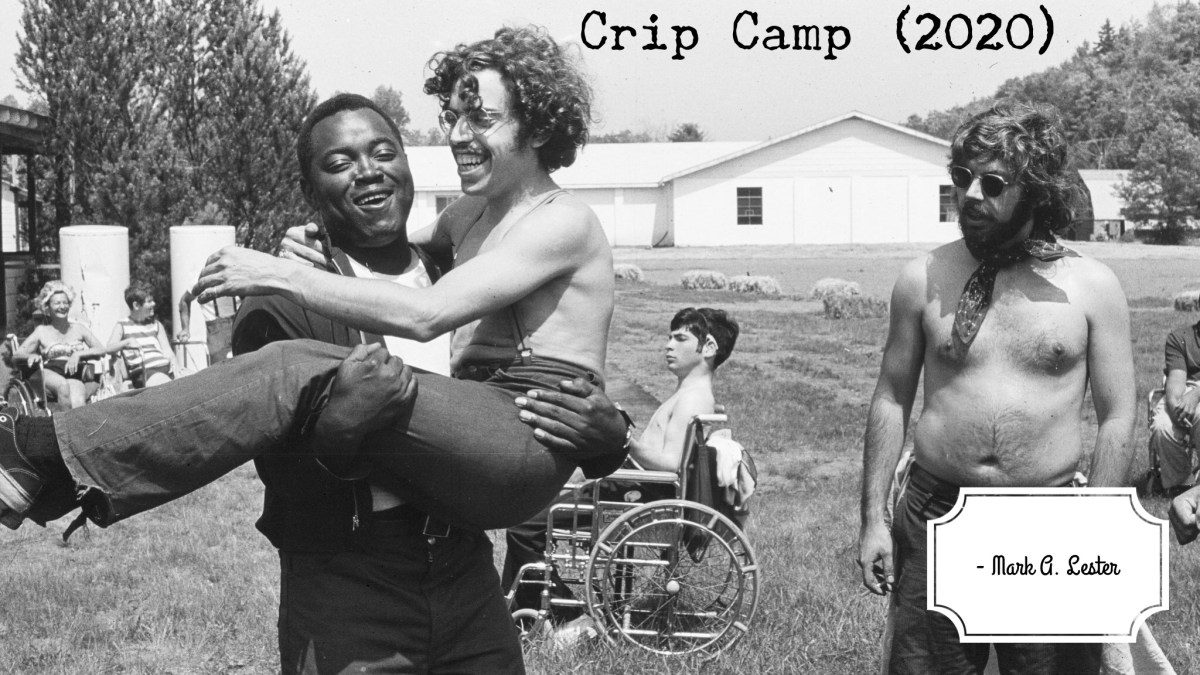
For nearly a decade, I have truly been blessed with the seven summers I was able to spend a week of being a counselor at a Christian Youth Camp.
The memories are indeed too many: Small group bible lessons, archery, paintball, inside jokes about having too much bread (Wade and Hudson know), starlight devos, my alarm clock being thrown out by my co-counselor, sacrificing a pair of socks for a camper, out door movie nights, having another camper ask if I knew how to talk to girls (my initial response: “No one does.”), the countless nicknames I would give and be given (“The Cap” is the best nickname I have ever gotten).
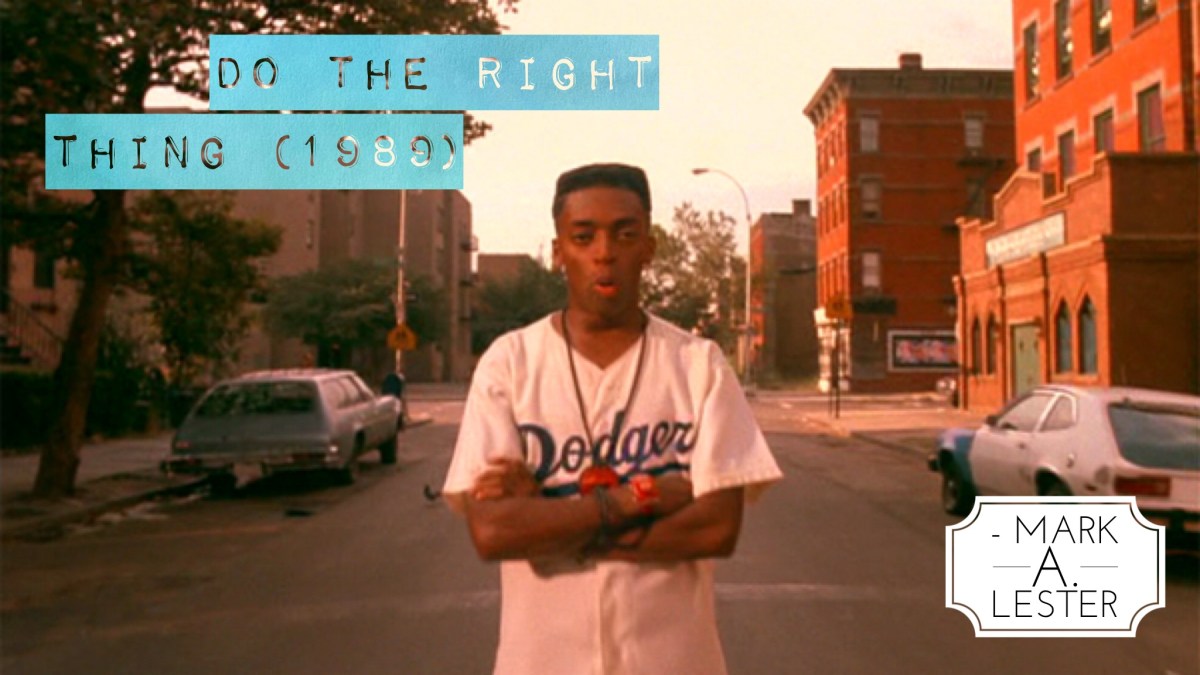
In a perfect world, Do the Right Thing is a movie that should not exist.
The ideal world would be without the things demonstrated in the film: anger, prejudice, racism. Yet that is the world we live in, and have before the late 80s and still to this day. The list of names belonging to lives lost due to racial injustice is far to the point of many of them being forgotten by all who did not know them. This is why Spike Lee’s uncanny piece of art will almost always be a film that will resonate with any generation.
Despite being an extroverted child with Asperger’s, it still seems to surprise some of my friends who did not know me growing up that I never once had a detention. Of course, it helps when nearly every person in your family history was a teacher in some capacity.
When I mentioned this to one of the minister’s at my church, he said he found that rather hard to believe. I responded simply, “That’s because you never met my dad”. That is not to say my dad was deeply strict or anything. My dad was totally loving and supportive. The issue was that, as a High School social studies teacher turned Dean turned Assistant Principal, he would tell me stories at the dinner table about what all the “bad” kids did (to be fair, it was more entertaining than what the “good” kids did). These stories, which must have started as far back as when I was a 1st grader were ingrained in my mind to know when to not mess around (despite being a self confessed class clown from time to time.)
Last year, when Netflix released the masterful film Roma, it was clear they were wanting the Academy to take them seriously. While it did win a good amount of awards (including Best Director), it did lose the big one, Best Picture, to Green Book (a film that, while charming at first, may be destined to be forgotten as time goes on). Much of this had to do with voters not liking the fact that a movie on a streaming service would win the night’s biggest honor, hoping instead for the winner to be one that was released theatrically.
Somewhat ironically, during the same Oscar telecast, we got the first (and very brief) teaser trailer for Martin Scorsese’s The Irishman, the film I personally have waited for all year. Along with Scoresese, names like De Niro, Pacino, Pesci, and Keitel filled the screen.
With Roma, Netflix was clearly swinging for the fences. With The Irishman, they are swinging for the parking lot past the outfield bleachers, which, bluntly put, is the result we get.
I admit that it takes me more than a viewing or two to totally understand even the best of mafia themed films, but I will do my best. The film tells the story of a real life mob hitman named Frank Sheeran (Robert De Niro, in his first Scorsese film in almost a quarter century). Towards the end of his life, we hear him narrate as he recalls making his way through the mob with the Buffalino Family, after encountering Russell Buffalino (Joe Pesci), Frank’s new employer who reports to the big boss Angelo (Harvey Keitel). Eventually, they make there connections with helping the infamous union leader Jimmy Hoffa (Al Pacino), the man now most famous for his mysterious disappearance.
There are others in the cast who fill their roles with uncanny professionalism, as we see actors like Jesse Plemons and Bobby Cannavale. Though the film is indeed a male dominated one, Anna Paquin does some of her best work in years as Peggy, one of Frank’s grown up daughters. Still, I was most delighted and surprised to see Ray Romano as Russell’s cousin who acts as Hoffa’s main attorney. I have always loved Romano ever since I saw Everybody Loves Raymond as a kid, but it never crossed my mind that he would be cast a lawyer in a Scorsese crime drama, much less be as good as he is.
The normal themes of Scorsese films are present. I am not just talking about the swearing and the violence. The master film maker has indeed been vocal about being influenced by his cathlocism, which is evident in his films (at least the ones I have seen). The thought of having one’s occupation take priority over one’s morality. The idea of characters feeling utter remorse after the act of sinning, and seeking forgiveness afterwards (similar to Raging Bull and Goodfellas).
Though The Irishman does stand as its own achievement, it probably has more in common with Goodfellas than any other Scorsese film. Both are about two separate men rising in the mob world, only to enter that aforementioned remorse at the end. Goodfellas did dive more into the “family” aspect of the mafia, as well as it being more biographical than The Irishman (which centers more on a part of life than the whole life).
Parents, there is no beating around the bush: the film is
rated R for good reason. Even if there is no hint of sexual content (despite
one or two times characters kiss), it is more than compensated for with the
swearing and graphic violence.
It is not much of a surprise that the 2010s have not been the best of decades for either Robert De Niro, Al Pacino, or Joe Pesci (mainly since Pesci came out of retirement to do this film), at least when compared to past decades. That said, it is easy to say that it is the best any of them have been in years. Much of that credit should also be given to the film’s screenwriter, Oscar winner Steve Zallian (Schindler’s List, American Gangster, Moneyball).
We get a much more subtle De Niro than we are used to, but that does not make him any less affective. It is a little strange seeing Pesci being the authoritative figure to De Niro, but Pesci is just as brilliant even if he is not as bulldog crazy as he was in Goodfellas. The one with the most to do is Pacino. To me, Pacino has always been the only actor who you can always hear even if you put the mute button on. Here, he is not overacting because he chooses to, but because we sense that is how the character would be.
The three main lead actors are in their mid to late 70s, yet the special effects mixed with the superior acting makes us not think of anything but the story. The only flaw with the film (and it is as minor a flaw as can be) is that some moments do show the actor’s age (they can make the face look younger, but certain body movements do seem a lot slower for that young age).
One thing I have not yet mentioned is the runtime, which stands at nearly 3 ½ hours. Yes, that is a long time, but I assure you not one second of that is wasted. If the film seems slow, it is because it is patient in the storytelling (most notably in the last hour when we see Hoffa’s outcome. Nothing is on screen that does not need to be.
The Irishman clearly marked all of my expectations, and then some.