Are there any movies about journalism that are considered bad?
Of course, I have some I have not seen, but of the ones that I have (especially those based on true stories), they are downright solid pieces of film.
 Nothing else to say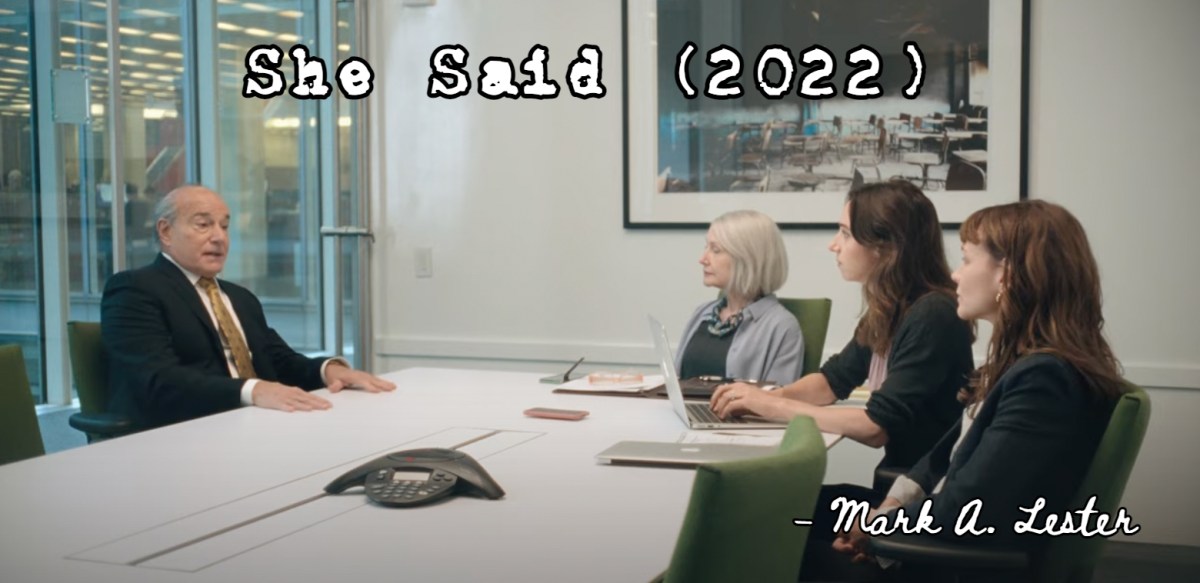
Are there any movies about journalism that are considered bad?
Of course, I have some I have not seen, but of the ones that I have (especially those based on true stories), they are downright solid pieces of film.
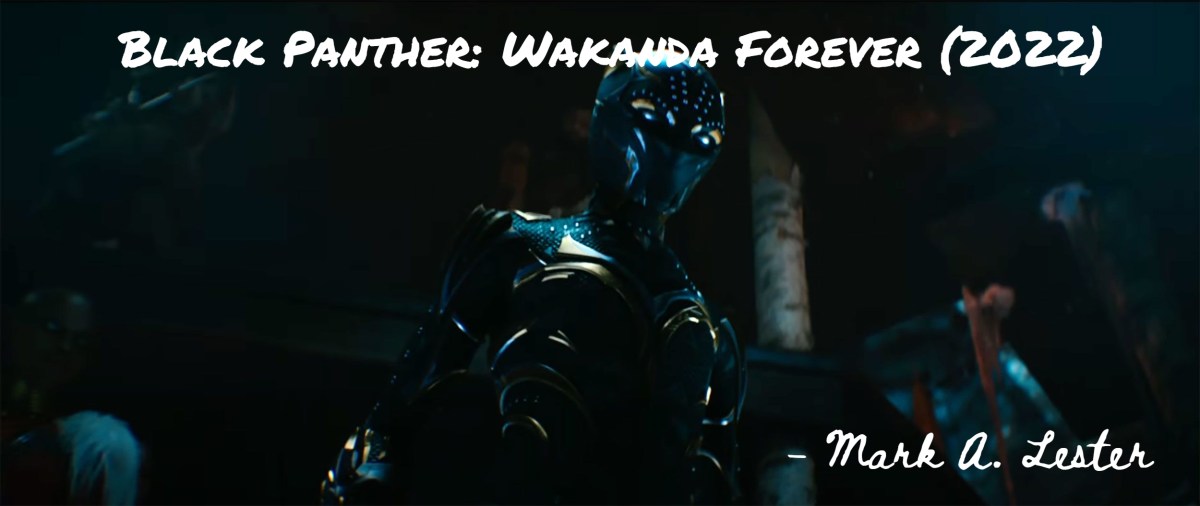
It is feasible to believe that no other MCU film to date has had a bigger emotional mountain to climb than Black Panther: Wakanda Forever.
The first film was such a mammoth success (financially, critically, and even Oscar wise) that a sequel was inevitable from the get go. Then, of course, tragedy struck when the world lost Chadwick Boseman in August of 2020, leaving the sequel in serious jeopardy. Also add in the fact that this would be the final film in Phase 4 of the MCU, and you can see why this film had a lot to accomplish.
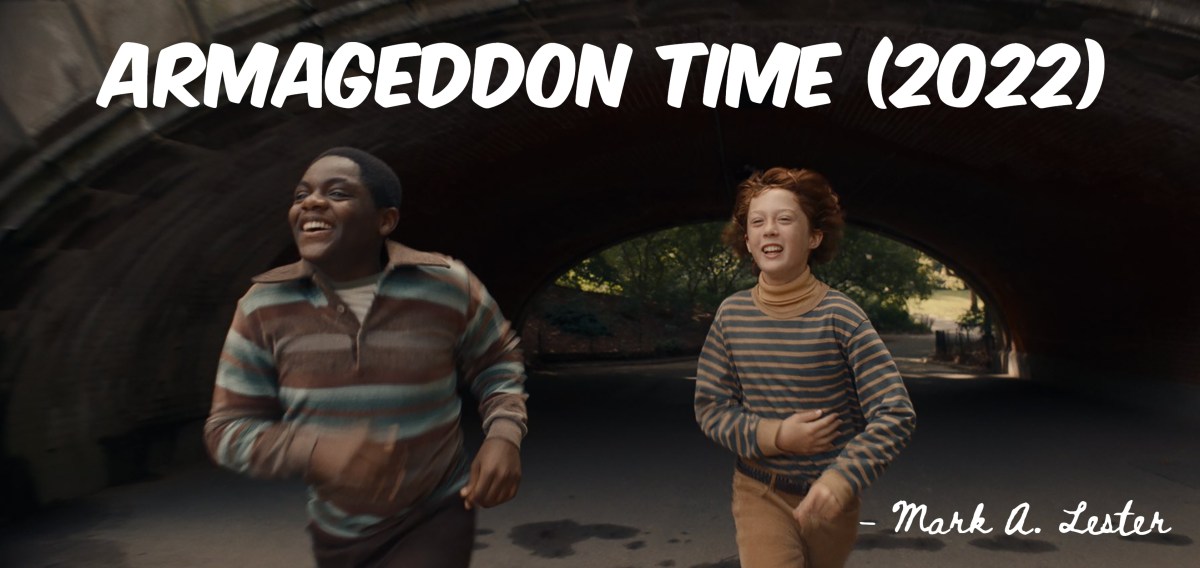
Anyone who has ever taken any form of creative writing class surely knows one of the first rules: write what you know.
Filmmakers have been making films loosely based on their own childhoods for sometime now, going as far back as Truffaut’s 1959 masterpiece The 400 Blows. Yet ever since 2018’s Roma (based off of past experiences by it’s director, Alfonso Cuarón), there has seem to be a slight uptick in these types of films: Lee Issac Chung’s Minari (2020), Kenneth Branaugh’s Belfast (2021), and Steven Spielberg’s The Fablemans, which is soon to be released in a few weeks. Now the spotlight is on the childhood of director James Gray, with Armageddon Time.
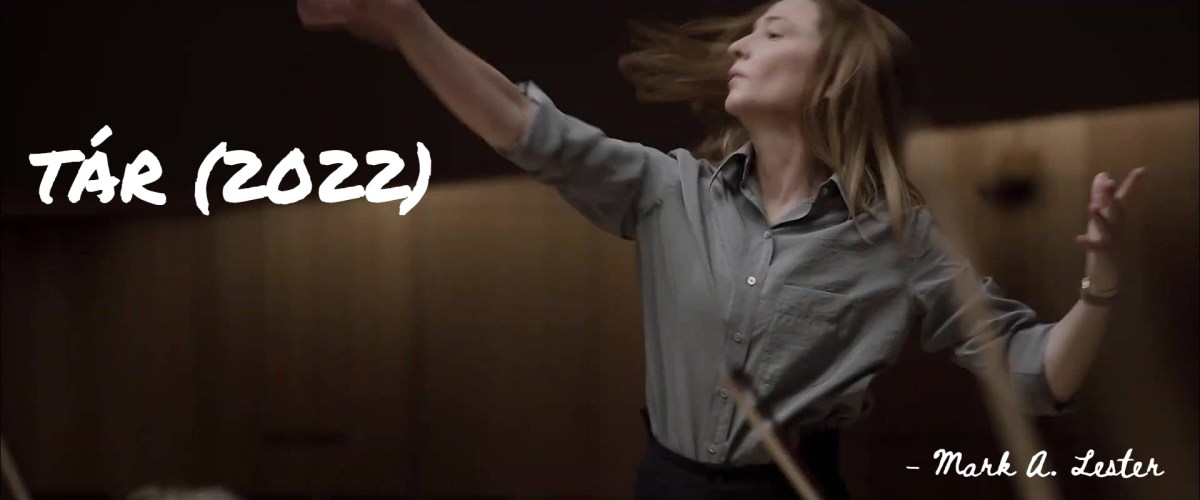
Perhaps I should just state it from the get go here: If you are someone who wants as little ambiguity in a film as possible, then TÁR is not a film for you.
If you want to have a movie to tell people they need to seek out for the purpose of needing someone to talk to about what you just witnessed, you won’t find a better candidate on any sized screen this year.
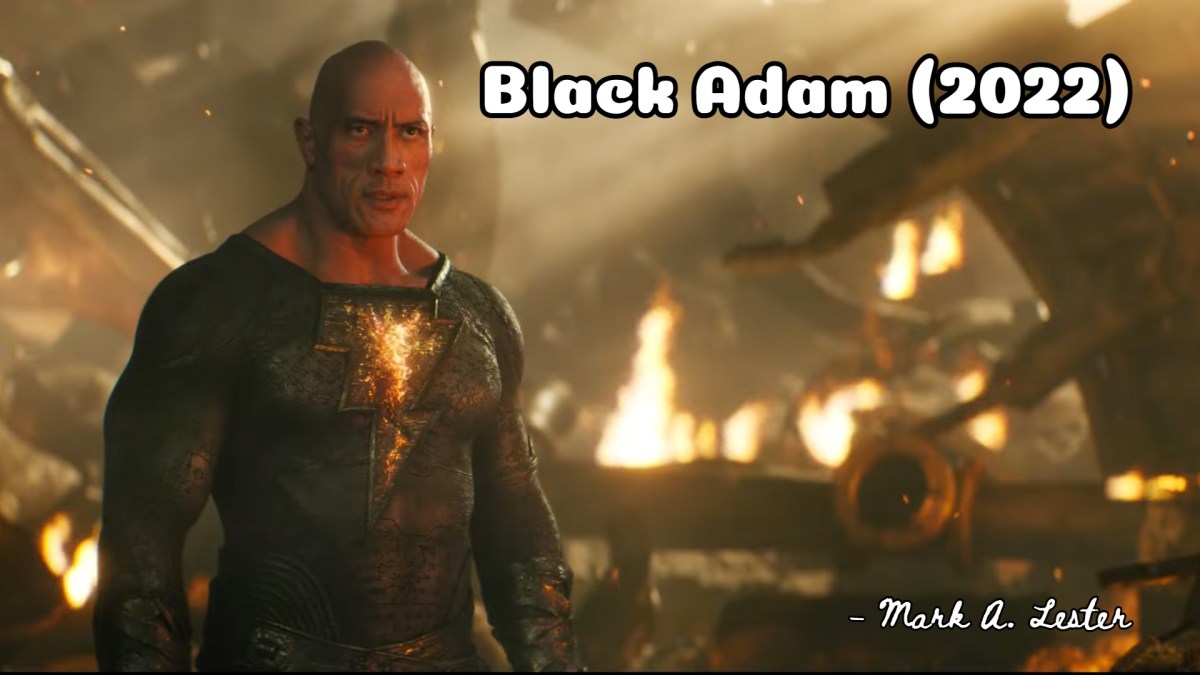
There was this one moment in The Office when Dwight mentions the online game called “Second Life.” In it, he does everything he would do in his everyday life, except now he can fly.
As the titular character of Black Adam, one could say something along the same lines for Dwayne Johnson (and before you say “Wait, he doesn’t have electrical powers!”, keep in mind I grew up knowing him as the most “electrifying man in sports entertainment”.)
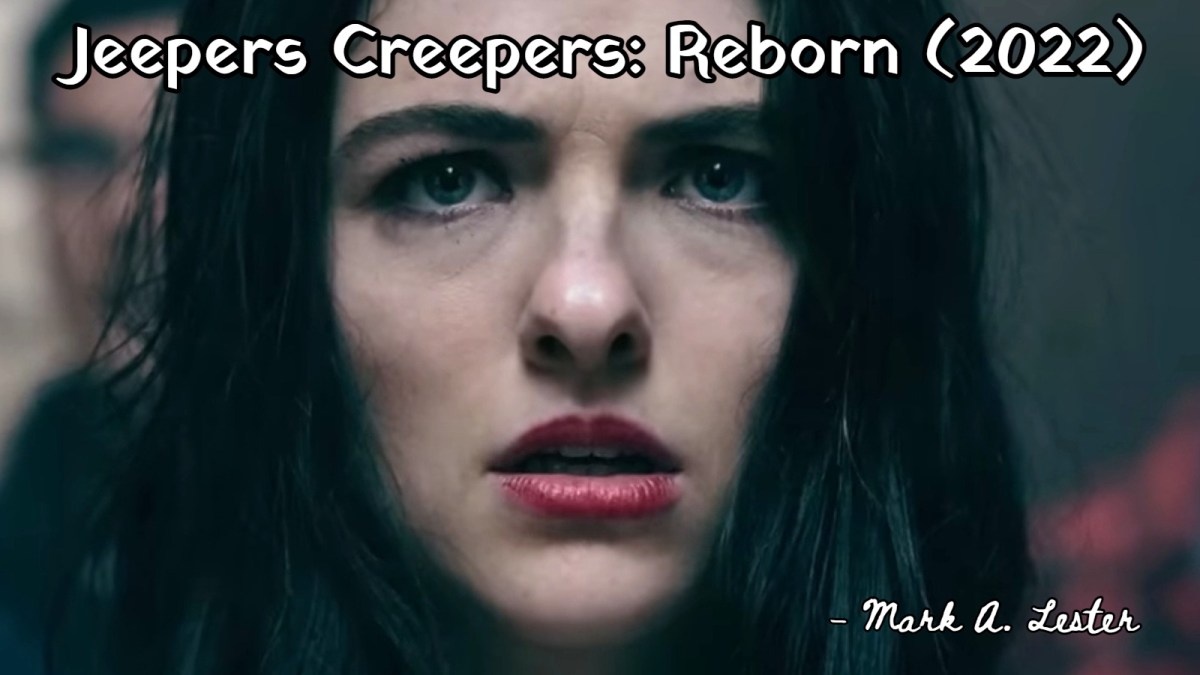
Note: Earlier this year, I was blessed to be a guest on the Game for a Movie Podcast, hosted by an old high school buddy of mine, Mike.
On his pod, he and his friends like to talk about random types of media consumption, including takes on bad movies.

It’s been nine years since the last film I had seen of David O. Russell’s (American Hustle), and seven since his last film (Joy).
In that time, even more has been brought up being in the working atmosphere of David O. Russell (as well as at least one sexual misconduct allegation).
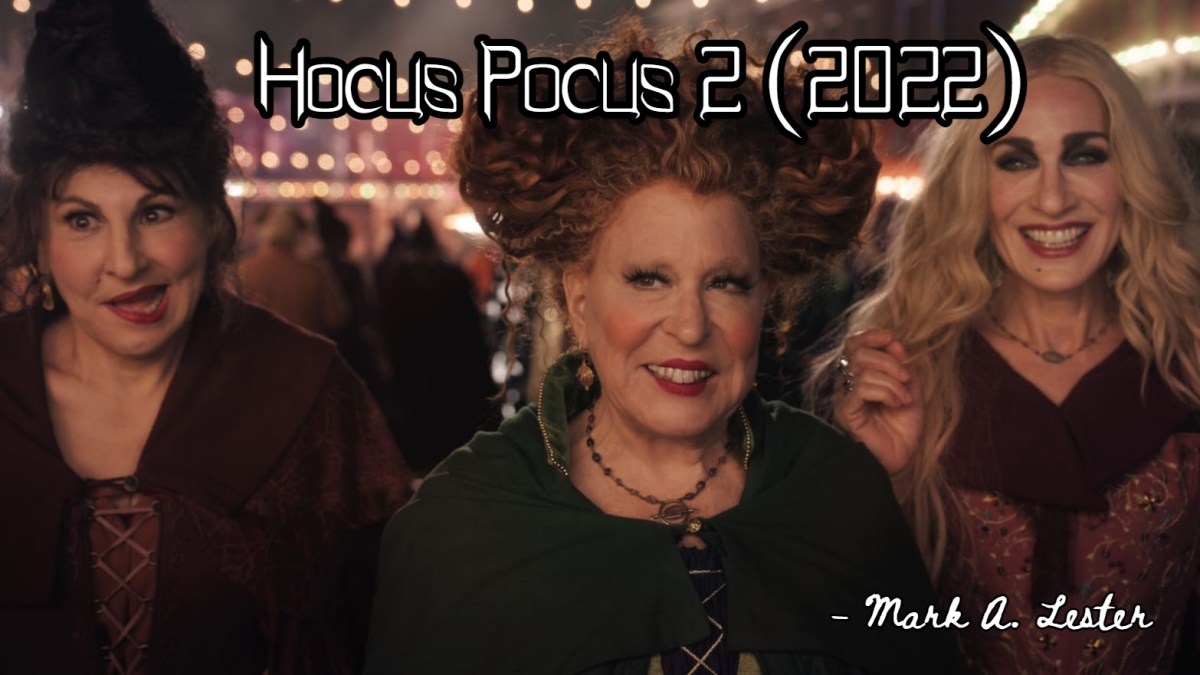
Just under a year ago, I remember a hangout with some of my best friends. We decided to watch a movie in the backyard with the big screen. The movie chosen beforehand was Hocus Pocus, a movie familiar to many 90s children like myself. I had revisited the film at least once before as an adult, and was sadly underwhelmed, for the nostalgia did not hold up. Yet I care for my friends and wanted to have a good time, so I persisted.
As I looked back at Roger Ebert’s review of the original, he said it was “like attending a party you weren’t invited to, and where you don’t know anybody, and they’re all in on a joke but won’t explain it to you.”
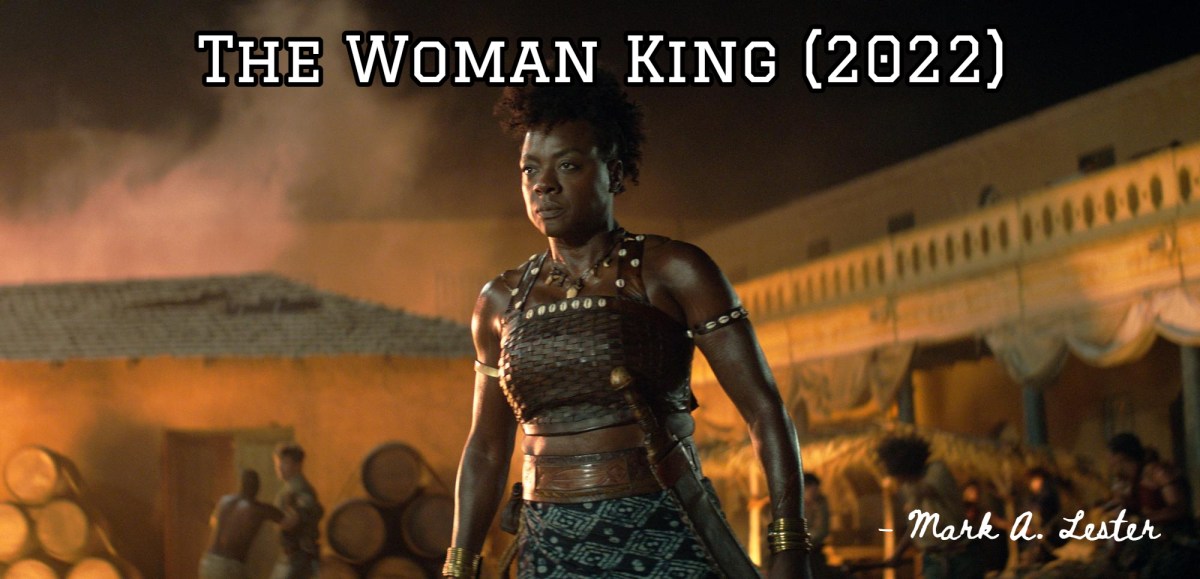
57.
That is the number you should know going into seeing The Woman King, for that is the age of it’s star Viola Davis.
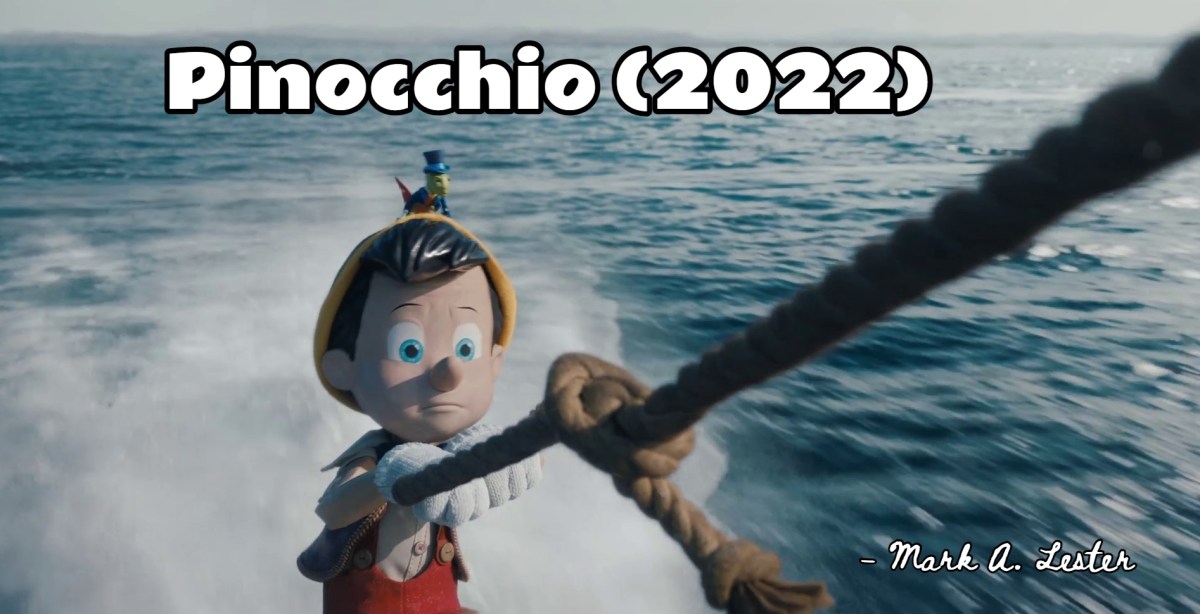
There is no way I can discuss the live action remake of Pinocchio without talking in depth about the 1940 animated masterpiece.
Maybe I just can’t see past the end of my nose, but it is what it is.

 Nothing else to say